Rebuilding Our Soil: Why the Future of Farming Starts Beneath Our Feet
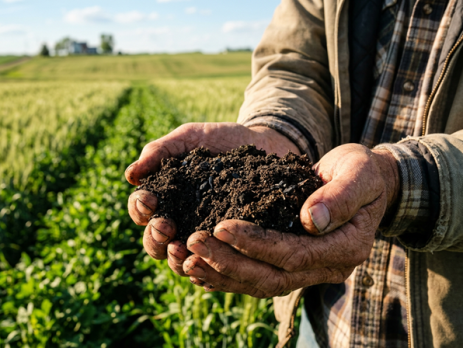
When walking agricultural fields, growers often don’t see the soil as a living ecosystem but rather as a medium to hold crops upright. As with many farms, operations historically relied heavily on routine applications of synthetic inputs, trusting that traditional NPK cycles would carry yields through season after season. But as time went on, a disquieting pattern began to emerge costs of inputs went up and the soil felt lifeless, having trouble holding moisture in dry spells. Long-term profitability demanded a complete reorganisation of farming, showing that there was a need for a serious rethink of the old ways of managing land.
The Power of Organic Farming
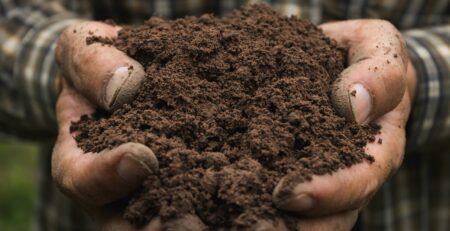
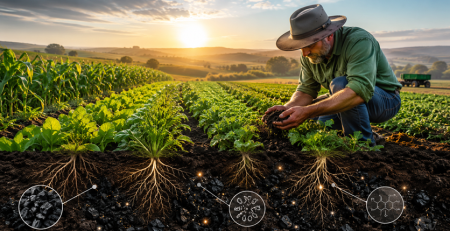
That’s when many people turn to regenerative agriculture and that changes everything. Soil is not just dirt. It is a biological engine teeming with microscopic life. Once you start focusing on building your soil health, everything else just falls into place. Adding certain solutions, such as RegenR8™ (a smart mix of biochar and micronised volcanic rock) is a practical way to refresh tired earth without the need to completely disrupt current farming systems or mess up seasonal schedules.
Increase water retention and toughness
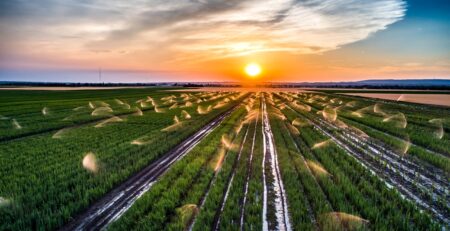
Water retention is one of the immediate benefits we’re seeing out in the field. In climates where drought and unpredictable rainfall are looming threats, every drop counts toward a successful season. The carbon-rich mineral compounds in the organic spheres act as a dependable sponge right at the root zone. They hold valuable water and expensive nutrients where plants can get them, not lost deep out of reach of their roots. Increased organic matter greatly improves water retention capacity, leading to a significant robustness of crops under intense summer heat and dry periods.
Enabling Cost-Effective and Carbon Sequestration
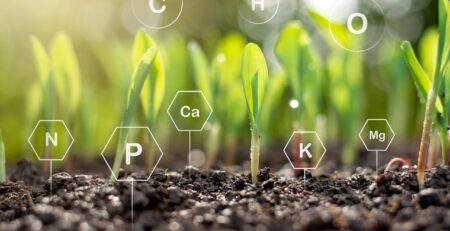
Just as exciting is the noticeable change in operational budgets. Fertilisers make up a significant part of annual costs, but farms are making excellent progress in reducing fertiliser requirements by increasing nutrient availability and microbial activity. Cost efficiency and profitability are natural results when soil works with operations instead of against them. Building soil carbon not only reduces input costs but also provides the possibility for significant carbon sequestration, allowing agriculture to take an active part in climate resilience and sustainable food production.
Securing Tomorrow’s Crops
To farm smarter today is to look to future generations of harvests. Operations don’t have to sacrifice ecological stewardship for high yields. Modern agriculture invests in the base of the land and works with natural systems to achieve higher yields at a lower cost and to heal the landscape.
If you are ready to restore your land and unlock your farm’s true potential, let’s talk. Contact RegenR8 Today.