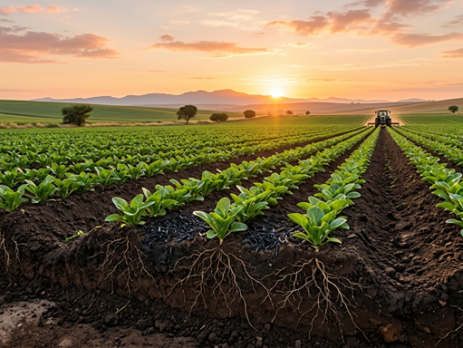
Embracing Regenerative Agriculture for Climate Resilience
Under our feet, the agricultural landscape is drastically changing, necessitating a critical and urgent reassessment of food production. Reliance on heritage farming methods is under unprecedented pressure as irregular rainfall, extended seasonal droughts, and unexpected weather patterns become the new normal throughout South Africa. For many years, the global industry standard has put immediate, short-term crop yields ahead of long-term ecosystem health. Sadly, this approach resulted in highly degraded land and rapidly rising operating expenses. Today, a revolutionary new paradigm is emerging, one that seeks the exact answers for progress by delving deep into the earth.
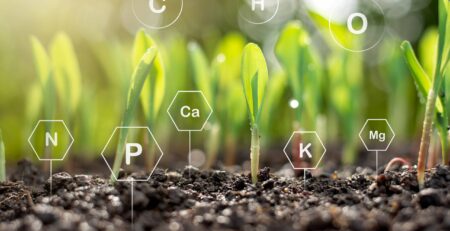
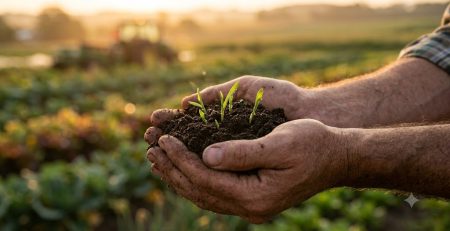
At the absolute heart of this movement is regenerative agriculture, a comprehensive strategy that aims to simultaneously conserve, improve, and restore the entire farm ecology. For far too long, traditional techniques have viewed soil as nothing more than a static, dead substrate that is constantly pumped with synthetic fertiliser to keep plants upright. But to achieve true agricultural sustainability, we must focus on revitalising the earth’s rich biological life. We can significantly lessen our reliance on expensive external chemical inputs by actively increasing organic matter and microbial activity, which will release the land’s intrinsic capacity for nutrient cycling.
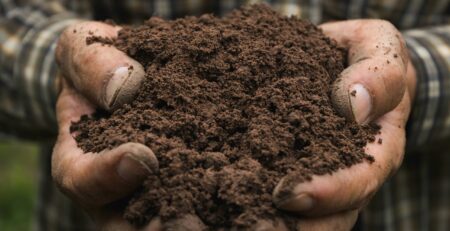
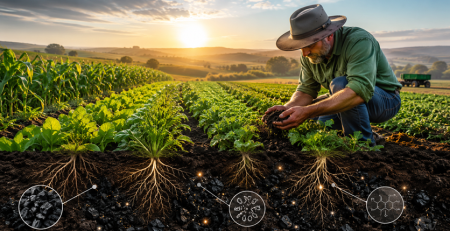
Healthy, thriving soil acts like an exceptional living sponge. When organic carbon content increases, the entire physical structure of the earth transforms for the better. Adding natural materials like biochar and tiny volcanic rocks to our land management plan is a very effective way to make this important change happen. In addition to driving vital carbon sequestration to lessen global climate shifts, biochar offers a permanent, highly porous habitat for beneficial bacteria. The earth experiences a significant structural revitalisation when combined with nutrient-rich volcanic rock dust, which methodically replenishes depleted systems with over 70 essential micronutrients.
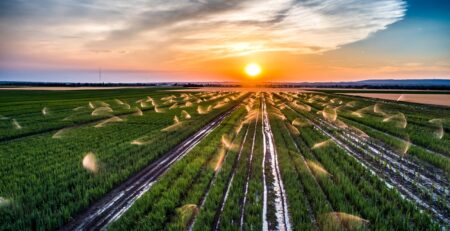
This structural improvement closely links to the management of water, the most unstable variable in contemporary farming. Maximising every drop of available moisture in semi-arid regions and agricultural areas under extreme water stress can determine the difference between a bountiful harvest and a complete crop failure. Improving soil porosity naturally enhances water retention, allowing fields to capture and securely hold moisture far longer during intense dry spells. By using advanced technologies like HydrocacheTM along with traditional organic materials, we can create an underground water storage system that protects plant roots from extreme heat and unpredictable rain, ensuring consistent moisture without high irrigation costs.
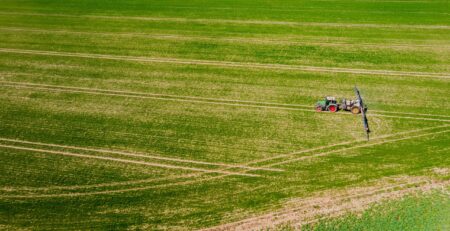
Importantly, the shift to climate-smart agriculture is both an absolute economic requirement and an environmental imperative. Every modern agricultural firm must prioritise long-term cost efficiency and overall profitability due to rising overheads and volatile global commodity prices. Whether managing vast tracts of land as large-scale commercial growers or assisting neighborhood-based smallholder farmers, reducing fertiliser dependency continues to be one of the most dependable and quick strategies to increase our operating margins. Nutrient availability rises when the land is operating at its best, resulting in healthier plants, less susceptibility to pests, and eventually much higher agricultural yields.
The journey toward a sustainable farming future requires a collective, industry-wide shift in our core mindset. We must stop viewing agriculture as a constant battle against nature and instead start viewing it as a cooperative partnership. By deeply investing in soil health, we are actively protecting the future of global food security and making sure that farming will continue to be a sustainable, extremely lucrative source of income for future generations, not just the next harvest. We already have the means to organically regenerate our lands, providing the agriculture industry as a whole with a cleaner, more intelligent, and more resilient future.
Contact Regenr8 Today.