Cultivating Resilience: Why Regenerative Agriculture is the Global Answer to Local Food Security
As we traverse the challenges of 2026, the global agricultural environment reaches a key tipping point. Across the globe, we are witnessing a transition in how we view the land, away from extractive, input-heavy paradigms and toward systems that prioritise long-term ecological health. For those of us who farm in South Africa, these global trends are more than simply distant headlines; they are immediate markers of how we must adapt to ensure our food security and economic stability.
Volatility characterises the situation we face now. The old “playbook” for commercial farming is being rewritten as input costs fluctuate and harsh weather events become more frequent. We have seen how global supply chain interruptions can immediately affect the availability and cost of synthetic fertilisers and insecticides. This vulnerability has inspired a global shift toward regenerative agriculture, which we feel is the only long-term solution for our local commercial sectors.
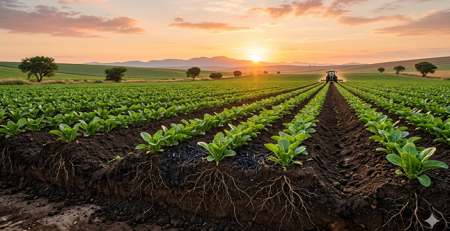
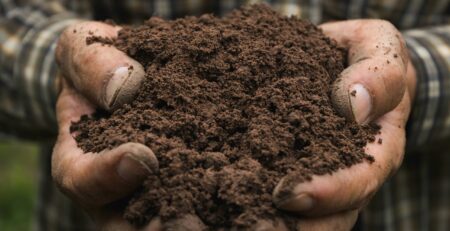
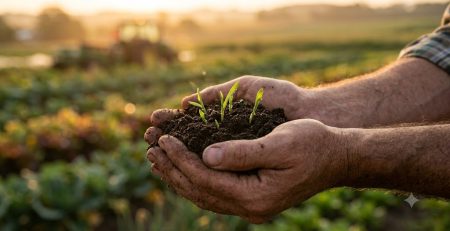
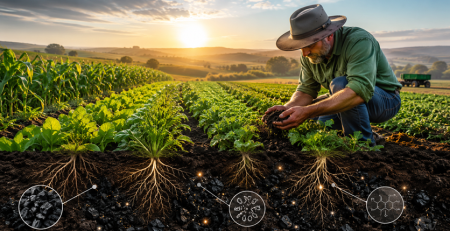
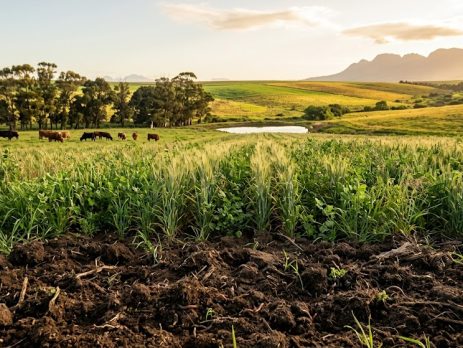
One of the most important worldwide trends we are seeing is an emphasis on soil health as a basic defence against climate change. Healthy soil behaves like a sponge, storing rainfall during dry spells and preventing erosion after heavy rains. We are not just saving the environment by applying methods such as low tillage and different crop rotations; we are also establishing a more resilient production system capable of coping with the unpredictable rainfall patterns that we are increasingly experiencing in the Western Cape and elsewhere.
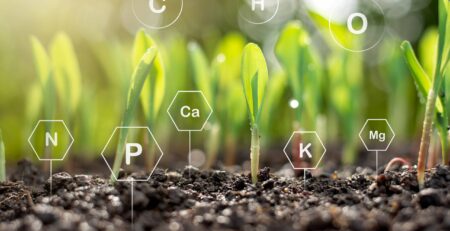
Furthermore, there is an increasing global desire for openness and sustainability in food systems. Both international markets and local customers are looking for produce cultivated with a “nature-positive” imprint. This is more than simply “going green”; it is about the practical benefits of nutrient recycling and biological diversity. When we maximise species diversity and properly integrate animals, we establish a circular economy on the farm, reducing our reliance on costly external inputs. This transformation improves long-term profitability by cutting costs and stabilising yields, even under climatic stress.
We also recognise that this transition involves more than simply a shift in mentality; it also necessitates technological expertise and data-driven initiatives. The global regenerative market is quickly growing, with a focus on strict measurements for soil organic carbon and biodiversity. This professionalisation of the sector ensures that the term “regenerative” has genuine meaning. Regenr8 is devoted to providing South African farmers with the advice services and technical support they need to manage these transitions, from basic keyword research into soil health to the implementation of complicated agroforestry systems.
The issues of land degradation and water scarcity are formidable, but they also provide opportunities for creativity. We can recover and repurpose our damaged agricultural soils by taking a comprehensive approach to land management. This is not a return to the past, but rather a step into a future in which technology and nature work together.
We are all part of a broader, interconnected system. By improving our individual farms via regenerative farming practices, we help to build a stronger national food system. The time to transition is now, as the global momentum for climate-resilient farming reaches a climax. We are here to walk that route alongside you, ensuring that our land remains productive for future generations.
Contact Regenr8 Today