Cultivating Resilience in a Changing Climate
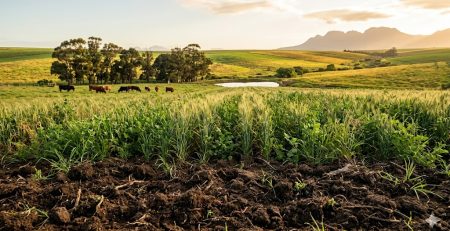
As farmers navigating the ever-changing terrain of contemporary agriculture, we frequently ponder our land’s resiliency. Recently, the global discourse has shifted, rightfully so, toward climate-smart agriculture. We face unpredictable weather patterns, rising input costs and an undeniable need to maintain the basic resource that supports us: our soil.
The need to transition away from heavy, reliance-based farming techniques is growing in South Africa, as it is around the world. When we look at our fields, the goal isn’t just one season of success; it’s about consistency. The fact of escalating synthetic fertiliser prices alone demonstrates the need for wiser, more sustainable solutions. It is no longer enough to simply add additional inputs; we must be more efficient with what we have.
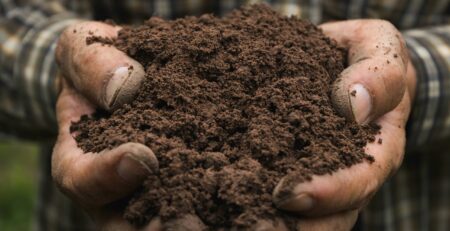
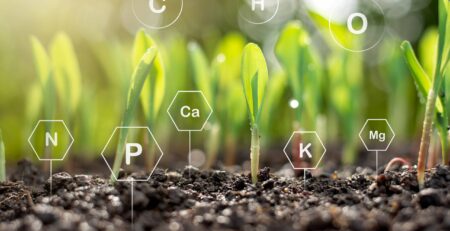
This is where regenerative agricultural principles have become my guiding light. It’s not simply jargon; it’s about real, biological repair. By focusing on soil health, we are not just responding to climatic issues but also actively buffering our operations against them.
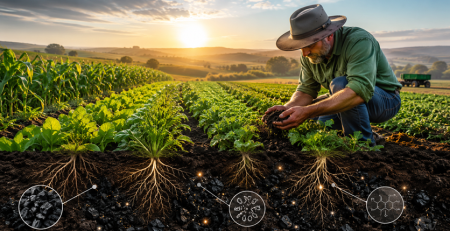
One of the most interesting advances we have seen is the use of specialised soil additives like regenr8 that operate alongside nature rather than against it. Using a combination of charcoal and micronised volcanic rock has proven game-changing. These fertilisers do not simply sit in the ground; they actively increase soil structure and microbial activity. We have witnessed firsthand how such additions increase carbon sequestration, making the soil a more effective ally in the face of climate change.
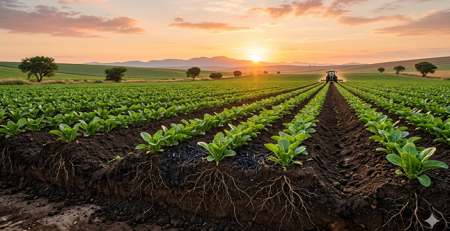
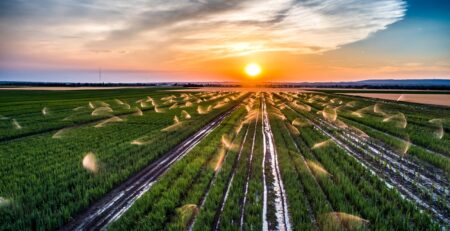
Perhaps most importantly, the emphasis on improved water retention has become non-negotiable in my operation. With rainfall becoming less predictable, our soil’s ability to retain moisture, even during dry spells, is frequently the difference between a successful crop and a disastrous one. By increasing porosity and organic matter, we are finding that our crops are far more resistant to water stress, reducing the requirement for constant irrigation.
Of course, profitability is always a crucial factor. Sustainability without profit is rarely scalable. By minimising my reliance on external synthetic inputs, we are realising significant cost savings. It represents a transition from a “quick-fix” mindset to a long-term investment in the soil’s natural fertility. When we boost crop yields while decreasing input costs, we are not only farming; we are also creating a more secure and profitable future.
Looking ahead, the demand for cleaner, smarter farming is increasing. It’s an exciting time to be on the land, if we have the confidence to change our methods and embrace the science of regeneration. We are the earth’s custodians, and the choices we make now will determine the productivity of our farms for generations. Let us continue to grow, but this time with a fresh focus on soil health.